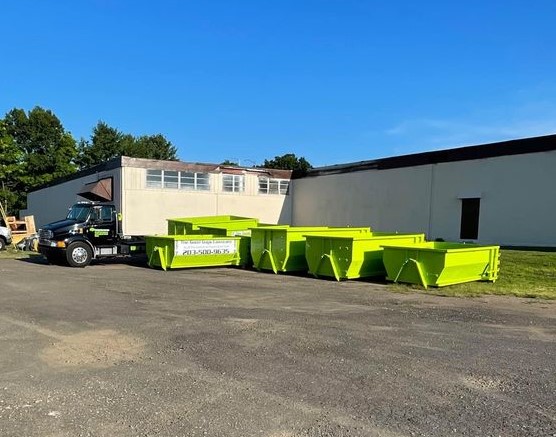
Managing a significant home improvement, renovation, or cleanup project can be both rewarding and demanding. One of the most important aspects of managing your project effectively is ensuring that waste disposal is handled efficiently. Failing to plan debris management can lead to clutter, delays, and unsafe conditions. Knowing how to calculate the appropriate dumpster size helps maintain order, reduce stress, and keep your project moving smoothly.
At The Good Guys Dumpster Rental LLC, we assist clients in planning their waste disposal effectively. We help determine how much waste will be produced and the type of materials to ensure the right dumpster is chosen. Whether you are doing a home cleanout, remodeling a kitchen, or tackling a construction project, we provide guidance that ensures a smooth and efficient process. We are committed to making waste disposal simple, safe, and effective for every client.
Understanding Your Project Needs
Start by examining all aspects of your project to determine dumpster requirements. Identify each section of your home or project that will create debris. Are you removing old flooring, furniture, or cabinets? Or is this part of a larger construction or renovation task? Evaluating the scope allows you to choose a dumpster that fits all debris and prevents last-minute problems.
Segmenting the project into manageable sections provides a clearer picture of waste needs. For example, if you are renovating multiple rooms, estimate the debris from each area individually. This method ensures precise planning and may eliminate the need for extra containers. Assessing the project thoroughly ensures that your workspace remains safe, organized, and free of obstacles that can slow progress.
Identifying Material Types
Understanding the materials involved helps determine the most suitable container. Furniture, appliances, and general household waste are common in cleanouts, while remodels may create drywall and wood debris. Projects involving construction often generate heavy debris such as concrete, roofing, and metal, needing stronger containers.
Recognizing material types also allows for safer and more organized disposal. Hazardous items and electronics require careful handling and are not suitable for standard dumpsters. Planning for these requirements helps prevent overfilling and ensures compliance with disposal regulations. Awareness of material types helps utilize space efficiently and minimizes risk.
Calculating Debris Volume
Once you know what materials you have, the next step is to estimate debris volume. Think about the volume each part of the project will create and whether items can be broken down. For example, dismantling furniture or breaking down large boards can create more space and reduce the overall volume. Properly estimating volume guarantees the container can hold everything and prevents multiple pickups.
We recommend creating a detailed list of items and estimating how much space they will occupy. It may also help to visualize how your debris will fit into the container. This preparation allows you to load efficiently and avoid overfilling. Correct volume planning ensures safety and smooth project flow.
Evaluating Your Project Timeline
How long your project lasts affects the container you choose. Some projects create debris steadily over time, whereas others generate large amounts quickly. Understanding your timeline allows you to choose a container that will accommodate your debris throughout the duration of the project. Planning ahead helps prevent interruptions and keeps the workspace organized.
Coordinating dumpster delivery and pickup with your project schedule is essential. By scheduling the container to arrive before work begins and arranging timely pickup, you avoid clutter and maintain efficiency. Coordinating the rental with your schedule reduces downtime and allows your team to concentrate on the project. Well-planned scheduling promotes a seamless and productive project flow.
Unique Factors for Different Project Types
Certain projects require special attention when selecting a dumpster. Projects involving demolition or roofing often include heavy or sharp debris that needs a stronger container. Landscaping projects often generate large volumes of organic debris that may need a container with more height or width. Recognizing these specific needs allows you to choose a container suitable for your debris.
Considering unique project requirements ensures safety and workflow efficiency. Evaluating the weight, dimensions, and arrangement of materials reduces risk and supports smooth progress. We guide clients to ensure their container fits the unique requirements of the project. Custom planning simplifies debris disposal and maintains order on-site.
How to Use Your Dumpster Effectively
Using your dumpster efficiently can streamline your project. Large items should be broken down and stacked to optimize space. Stack heavy debris first, followed by lighter items to optimize capacity. Keep prohibited items out of the container to comply with regulations and maintain a safe site.
We share tips to help you more info use your dumpster to its full potential. Proper placement, stacking techniques, and organized loading help you get the most out of your rental. Using these methods minimizes container overflow and simplifies cleanup. Efficient dumpster use keeps your project area clean and allows your team to focus on completing tasks efficiently and safely.
Coordinating Several Projects Efficiently
Coordinating multiple projects demands careful planning to manage debris effectively. Allocating separate containers for various waste types helps keep projects organized and compliant. Planning ahead allows you to allocate the right container for each task, keeping each workspace organized and safe.
Our team helps organize multiple containers to align with your projects. Designating dumpster locations helps maintain an organized and clutter-free site. Proper planning across multiple projects reduces clutter and creates a safer environment for workers and residents. Strategic organization contributes to a more efficient and manageable workflow.
Preparing for a Successful Dumpster Rental
Estimating the right dumpster size for your project is critical for maintaining an organized, safe, and efficient workspace. Evaluate the work scope, debris type, amount, and schedule before renting a dumpster. Focus on project-specific factors and smart loading strategies to optimize use. By following these steps and working with The Good Guys Dumpster Rental LLC, you can ensure your project runs smoothly with effective waste management from start to finish.